

Market Segmentation and Target Audience Analysis For Surveying

Market segmentation is one of the most important steps in creating useful surveys. Instead of sending the same questions to everyone, businesses can divide a broad market into smaller groups based on shared traits, needs, or behaviors. As a result, survey responses become more focused, easier to compare, and more valuable for decision-making.
In 2026, market segmentation is even more important because customers expect brands to understand their needs. However, businesses cannot make smart decisions based on guesses alone. They need clear survey data that shows who their audience is, what they care about, and how they make choices.
This is where target audience analysis also becomes useful. While segmentation helps divide the market into groups, target audience analysis helps identify which groups are most important to the business. Together, these two methods help companies create better surveys, improve marketing strategies, and understand customers more clearly.
What Is Market Segmentation?
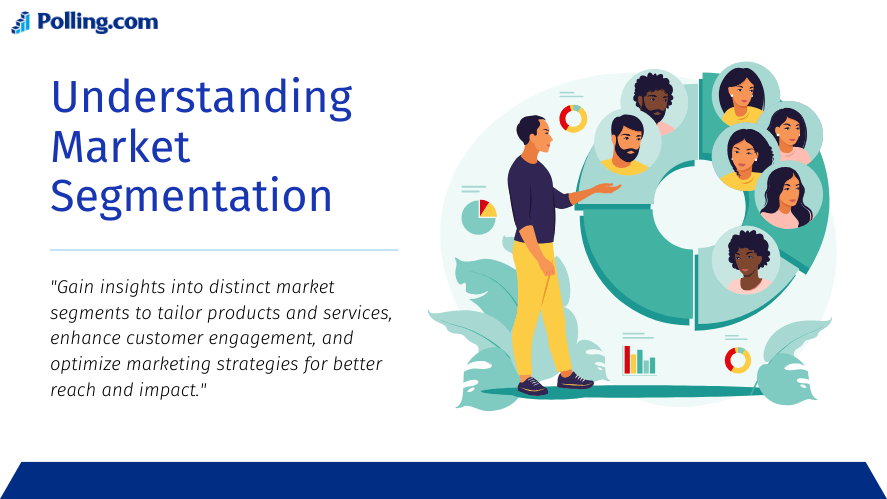
Market segmentation is the process of dividing a large audience into smaller groups that share similar characteristics. These groups may be based on age, location, interests, buying habits, income, lifestyle, or product needs.
For example, a company selling fitness products may not want to survey all customers in the same way. Beginners may care about easy workout routines, while advanced users may care about performance tracking and equipment quality. Therefore, separating these groups helps the company ask better questions and get more useful answers.
Main Types of Market Segmentation
There are several common types of market segmentation. Each one can help improve survey design in a different way.
Demographic Segmentation
Demographic segmentation divides people based on basic personal details. These may include age, gender, income, education, occupation, family size, or life stage.
For example, a toy company may create different survey questions for parents of toddlers and parents of older children. This approach helps the company understand what each group values most.
Geographic Segmentation
Geographic segmentation focuses on where people live. This may include country, region, city, climate, or neighborhood.
For example, a clothing brand may survey customers in cold areas about jackets and winter wear. Meanwhile, it may ask customers in warmer areas about lightweight clothing. As a result, the brand can promote the right products in the right locations.
Psychographic Segmentation
Psychographic segmentation looks at lifestyle, values, interests, personality, and opinions. This is useful when businesses want to understand why people make certain choices.
For example, a brand that sells eco-friendly products may survey customers who care about sustainability. In this case, the survey can focus on values, buying motivation, and environmental concerns.
Behavioral Segmentation
Behavioral segmentation focuses on what people do. This may include purchase history, product usage, loyalty, browsing habits, or response to promotions.
For example, a coffee shop may survey regular customers differently from first-time visitors. Regular customers may be asked about loyalty rewards, while new customers may be asked about first impressions.
Benefits of Market Segmentation
- Targeted Marketing: Companies can create specific ads and products for each group, making customers feel understood.
- Better Customer Understanding: Knowing more about each group helps businesses meet their needs better.
- Improved Resource Allocation: Businesses can spend their money more wisely by focusing on the most interested groups.
What Is Target Audience Analysis?
Target audience analysis is the process of identifying the people most likely to be interested in a product, service, or message. While market segmentation divides the audience into groups, target audience analysis helps decide which groups deserve the most attention.
For example, a business may discover that several groups are interested in its product. However, one group may have stronger buying intent, higher engagement, or better long-term value. Therefore, target audience analysis helps the business focus on the most valuable audience.
How Target Audience Analysis Improves Survey Results
Target audience analysis improves surveys because it helps businesses ask the right people the right questions. Instead of collecting random feedback, companies can focus on the audience that matters most.
For example, a software company may want feedback from small business owners, not general consumers. In this case, targeting the correct audience makes the survey results more useful.
In addition, audience analysis helps improve:
- Question wording
- Survey length
- Survey distribution channels
- Response quality
- Customer personas
- Marketing messages
- Product development decisions
Steps to Conduct Target Audience Analysis
1. Identify Audience Characteristics
The first step is to collect basic information about the audience. This may include age, location, job role, income, interests, buying habits, and common problems.
However, businesses should avoid collecting unnecessary personal information. Instead, they should focus only on data that supports the survey goal.
2. Create Customer Personas
After collecting audience information, businesses can create customer personas. A persona is a simple profile that represents a common type of customer.
For example:
Persona: Budget-Conscious Parent
Needs: Affordable products, safety, convenience
Survey Focus: Price, quality, trust, and buying concerns
Personas make survey planning easier because they help teams imagine the real people behind the data.
3. Understand Audience Needs and Preferences
Next, businesses should identify what the audience cares about most. This may include price, quality, speed, design, customer support, convenience, or brand reputation.
Because each audience group may value different things, this step helps businesses create more specific and useful survey questions.
4. Choose the Right Survey Channel
Different audiences prefer different survey channels. For example, younger audiences may respond better to mobile surveys or social media links. Meanwhile, professional audiences may prefer email surveys.
Therefore, choosing the right channel can improve response rates and data quality.
Tools and Techniques for Audience Analysis
Businesses can use several tools and methods to understand their audience better.
Surveys
Surveys are one of the most direct ways to collect customer opinions. They can help businesses understand preferences, pain points, satisfaction levels, and buying behavior.
Focus Groups
Focus groups allow businesses to speak with a small group of people in more detail. Although they involve fewer participants, they can reveal deeper insights that surveys may miss.
Social Media Analytics
Social media analytics can show what people discuss, share, like, and complain about. As a result, businesses can better understand audience interests and concerns.
Web Analytics
Web analytics can show how people use a website. For example, businesses can see which pages visitors view, how long they stay, and where they leave. This information can help improve survey questions and customer journey analysis.
Customer Feedback and Reviews
Customer reviews, support tickets, and feedback forms can also reveal important patterns. For example, repeated complaints may show a segment that needs better service or clearer product information.
Applying Market Segmentation and Target Audience Analysis to Surveying
Market segmentation should guide the entire survey process, from planning to analysis. Otherwise, the survey may collect answers that are too broad or difficult to use.
Design Questions for Each Segment
When creating a survey, businesses should think about each audience group. Some questions may apply to everyone, while others should be specific to certain segments.
For example, a survey for both students and working adults may include shared questions about product awareness. However, it may also include separate questions about budget, schedule, and buying motivation.
Use Language That Fits the Audience
Survey language should match the audience. For example, a survey for teenagers may use simpler and more casual wording. On the other hand, a B2B survey may need more professional language.
However, the questions should always remain clear and easy to answer.
Choose the Best Distribution Method
Survey distribution should also match the audience segment. For example:
- Younger audiences may respond well through social media.
- Professionals may respond better through email.
- Local customers may respond through QR codes in stores.
- Older audiences may prefer phone or assisted surveys.
Because of this, segmentation can help improve survey participation.
Analyze Survey Results by Segment
After collecting responses, businesses should not only look at the total results. They should also compare results by segment.
For example, overall satisfaction may look high. However, one specific customer group may be unhappy with pricing or service speed. By analyzing each segment separately, businesses can find problems that may be hidden in the total data.
Example: Market Segmentation in Surveying
A clothing brand wants to understand which styles customers prefer. Instead of sending one general survey to everyone, the brand divides its audience by region, age, and shopping behavior.
After reviewing the results, the company finds that younger customers in warmer areas prefer casual, lightweight styles. Meanwhile, older customers in colder regions prefer durable jackets and classic designs.
Because of this insight, the brand can adjust its product promotions, website content, and seasonal campaigns.
Example: Target Audience Analysis in Surveying
A video game company wants to understand who enjoys its action games the most. Through surveys and audience analysis, the company finds that its most active players are teenagers and young adults who enjoy fast-paced gameplay, rewards, and competitive features.
As a result, the company can create better survey questions about game difficulty, rewards, updates, and player satisfaction. In addition, it can use the results to improve future game development.
Case Studies and Examples
Successful Market Segmentation in Surveying
For example, a clothing brand wanted to know what styles were popular in different regions. By surveying people in various areas, they learned which clothes to promote where, leading to better sales.
Effective Target Audience Analysis
A video game company analyzed their target audience and found out that their games were popular among teenagers who liked fast-paced action. They used this information to develop more games that matched these interests, resulting in increased sales.
Challenges and Best Practices
Too Much Data
Sometimes businesses collect too much information. As a result, it becomes hard to decide which data matters. To avoid this, every survey should have a clear goal before data collection begins.
Wrong Segment Grouping
Another common problem is grouping people incorrectly. For example, age alone may not explain customer behavior. Because of this, businesses should combine different segmentation types when needed.
Low Survey Response Rates
Even with good segmentation, some audiences may not respond. Therefore, businesses should keep surveys short, clear, and easy to complete.
Privacy Concerns
Privacy is also very important. Businesses must explain how data will be used and avoid collecting sensitive information unless it is truly necessary.
Best Practices for Better Survey Segmentation
To get better results, businesses should follow a few simple best practices:
- Start with a clear survey goal.
- Use only relevant segmentation data.
- Keep questions short and easy to understand.
- Avoid leading or biased questions.
- Compare answers between segments.
- Update audience data regularly.
- Respect privacy and data protection rules.
- Use survey results to take real action.
FAQ About Market Segmentation and Surveys
Market segmentation means dividing a large market into smaller groups of people with similar traits, needs, or behaviors. This helps businesses understand their audience better.
Market segmentation is important for surveys because it helps businesses ask more relevant questions and compare answers from different customer groups.
The main types are demographic, geographic, psychographic, and behavioral segmentation. Each type helps businesses understand customers from a different angle.
Market segmentation divides the market into groups. Target audience analysis identifies which of those groups are most important for the business.
Businesses can improve survey results by asking segment-specific questions, using the right survey channels, and analyzing answers by customer group.
Conclusion
Market segmentation helps businesses understand that customers are not all the same. By dividing the audience into smaller groups, companies can create better surveys, ask more relevant questions, and collect clearer insights.
Target audience analysis adds another layer by helping businesses identify the most valuable groups to focus on. As a result, surveys become more useful for marketing, product development, and customer experience decisions.
In 2026, businesses need more than general feedback. They need specific, organized, and meaningful data. Therefore, using market segmentation in survey planning is one of the best ways to understand customers and make smarter decisions.
One thought on “Market Segmentation and Target Audience Analysis For Surveying”