
Consumer Expenditure Survey: Insights into Spending Habits

A consumer expenditure survey helps you understand how people spend their money.
From everyday essentials to lifestyle purchases, this type of survey gives a clear picture of real-world consumption behavior.
Tracking consumption spending is important for both businesses and researchers. It helps companies improve products, set better prices, and plan smarter marketing strategies.
For researchers, it provides insight into economic trends and how people manage their finances in the broader consumer economy.
With tools like Polling.com, it’s easy to create online surveys, collect reliable data, and turn responses into actionable insights without complex setup.
To better understand how this works, let’s start by breaking down what a consumer expenditure survey actually is and why it matters.
What Is a Consumer Expenditure Survey and Why Does It Matter
A consumer expenditure survey is a structured survey used to collect data on how individuals or households spend their income over a specific period.
Its primary purpose is to measure consumer expenditure patterns and understand how money flows through different categories within the economy.
While the terms expenditure and spending are often used interchangeably, there is a subtle difference.
Spending generally refers to individual purchases or transactions, while expenditure is a broader concept that captures total outflows over time.
This makes it more useful for analysis and building an expenditure index.
Businesses rely on this data to gain strategic insight into customer behavior.
Key benefits include:
- Budget Allocation Insights: Understand where customers prioritize their money and align offerings accordingly
- Demand Forecasting: Predict future purchasing trends based on past and current spending habits
- Customer Segmentation: Group audiences by income levels, spending behavior, and preferences for more targeted strategies
By leveraging a well-designed market study survey, companies can better understand their audience and make informed, data-driven decisions that drive growth.
Key Categories of Consumer Expenditure Survey Questions
To get meaningful insights from a consumer expenditure survey, it’s important to organize your questions into clear categories.
This structure makes it easier to analyze data, identify patterns, and compare different groups of respondents.
Demographic Questions
Demographic questions provide the essential context to identify and understand your audience.
This typically includes age, gender, income level, location, and household composition.
These factors play a major role in shaping consumer expenditure patterns.
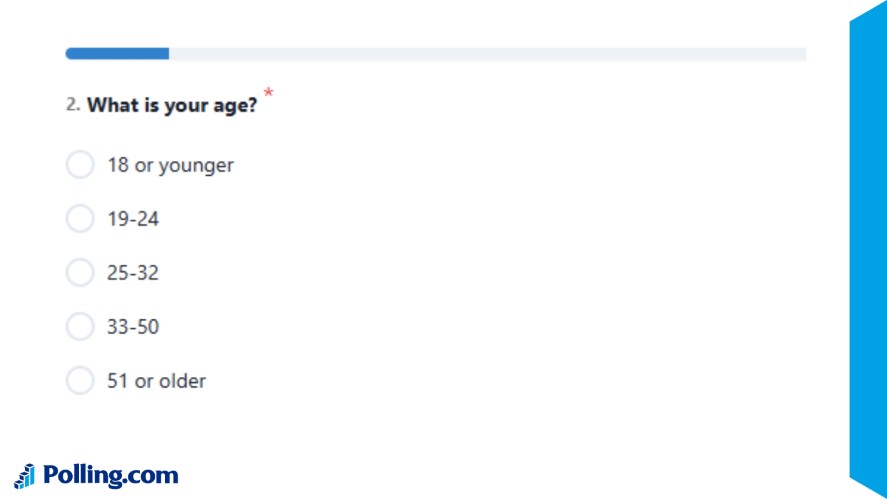
For example, younger consumers may spend more on entertainment, while families may allocate more toward housing and groceries.
Segmenting data by demographics allows for deeper and more accurate analysis.
Income and Financial Status Questions
These questions focus on a respondent’s financial situation, including:
- Monthly or annual income ranges
- Savings habits
- Overall financial stability
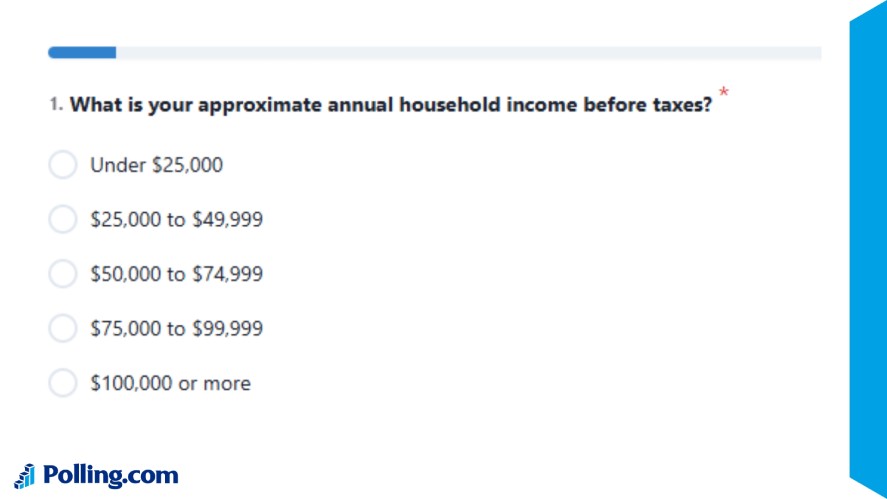
Understanding income levels is essential for analyzing consumption spending, as it directly impacts purchasing power.
It also helps businesses identify different customer segments and tailor offerings based on financial capacity.
Consumer Expenditure Survey Allocation Questions
This category looks at how respondents distribute their income across various expense categories. These include housing, food, transportation, and entertainment.
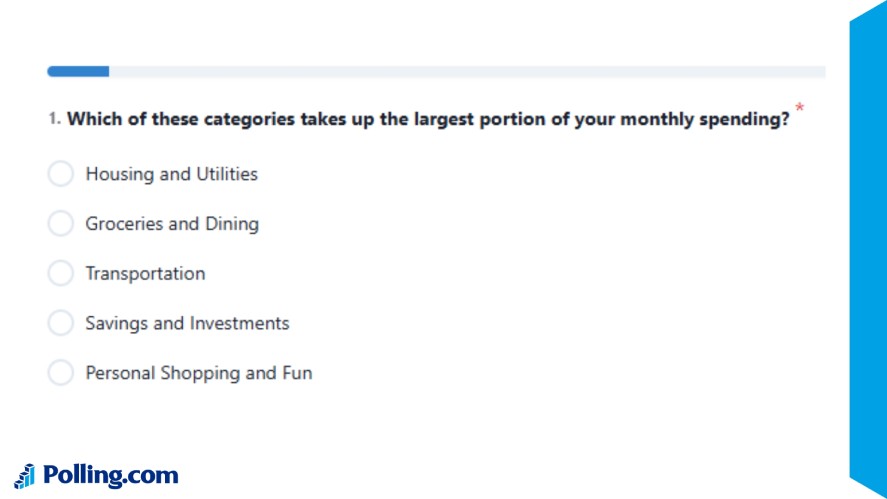
It also helps distinguish between:
- Fixed vs. variable expenses
- Essential vs. discretionary spending
This level of detail is key to building an accurate picture of spending behavior. It also identifies where changes or opportunities exist.
Purchase Behavior Questions
Purchase behavior questions explore how often people buy, how much they spend, and where they prefer to shop.
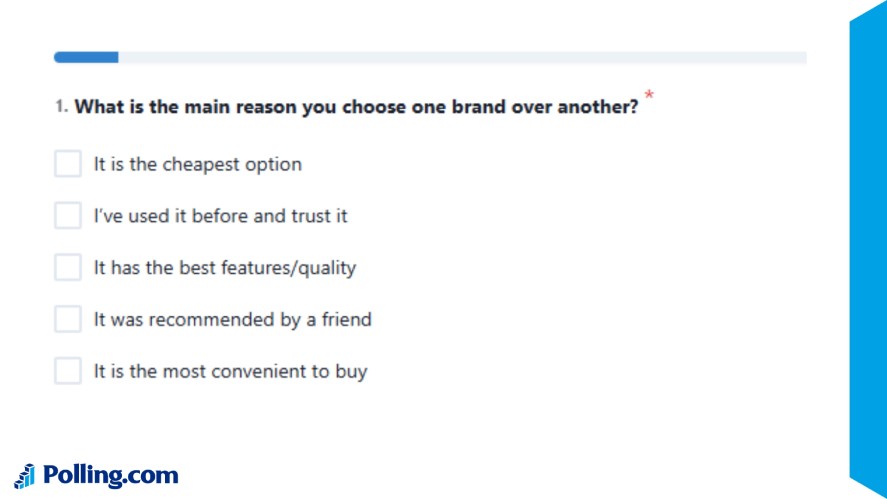
These insights reveal patterns such as:
- Frequency of purchases
- Average spending per category
- Preferred shopping channels (online vs in-store)
This information is valuable for forecasting demand and optimizing sales strategies.
Payment and Financial Tools Questions
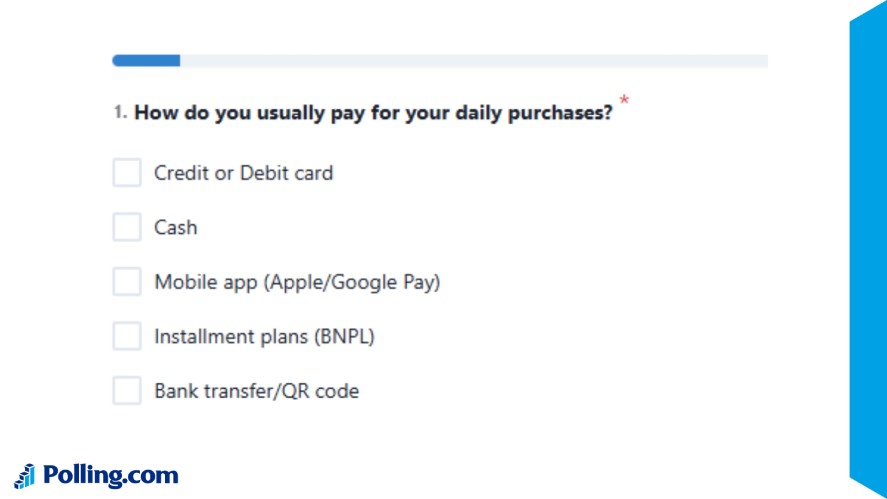
This category focuses on how consumers pay for their purchases, including methods like:
- Cash
- Credit cards
- Digital wallets
It also covers the use of financial tools such as:
- Credit
- Loans
- Buy-now-pay-later (BNPL) services
Understanding payment preferences helps businesses adapt to changing financial behaviors and improve the overall customer experience.
30 Consumer Expenditure Survey Questions to Ask
Asking the right questions is key to collecting useful data in a consumer expenditure survey.
Below are essential question categories with expanded examples to help you gather deeper insights into consumption spending and customer behavior.
General Expenditure Questions
These questions provide a high-level overview of a respondent’s overall consumer expenditure.
- What is your average monthly expenditure?
- What percentage of your income is spent vs saved?
- How would you describe your current spending habits? (conservative, moderate, high)
- Has your overall spending increased or decreased in the past 12 months?
- What are your top three monthly expenses?
Category-Based Spending Questions
These questions break down how spending is distributed across different categories.
- How much do you spend on housing, food, and transportation monthly?
- Which category accounts for the largest portion of your expenses?
- How much do you typically spend on utilities (electricity, water, internet)?
- What percentage of your budget is allocated to essential vs non-essential items?
- Have you noticed any category where your spending has significantly increased?
Lifestyle and Discretionary Spending Questions
This category focuses on non-essential spending and lifestyle choices that reflect personal preferences.
- How often do you spend on entertainment or travel?
- What influences your non-essential spending decisions?
- How much do you typically spend on hobbies or leisure activities?
- Do you tend to plan discretionary spending or make spontaneous purchases?
- What factors would make you reduce discretionary spending?
Online and Retail Spending Questions
These questions explore shopping behavior across different channels.
- How frequently do you shop online vs in-store?
- What factors influence your purchasing decisions?
- What types of products do you primarily buy online?
- Do you prefer marketplaces or brand websites when shopping online?
- How important is convenience (delivery speed, ease of checkout) in your buying decisions?
Price Sensitivity and Brand Preference Questions
Understanding how customers react to pricing and branding helps businesses refine positioning and offers.
- Do you prioritize affordability or brand reputation?
- How often do discounts impact your purchases?
- Are you willing to pay more for higher quality products?
- How do price changes affect your purchasing decisions?
- Do you compare prices across multiple platforms before buying?
Future Expenditure Intent Questions
These questions help predict future consumption trends and support demand forecasting.
- Do you expect your expenses to increase or decrease in the next 6 months?
- What factors may influence your future expenditure?
- Are you planning any major purchases in the near future?
- How do you expect your financial situation to change in the coming months?
- Will economic conditions (inflation, income changes) affect your spending behavior?
By combining these questions to ask for surveys, businesses can create a well-rounded market study survey that captures both current behavior and future spending intent.
Best Practices for Designing a Consumer Expenditure Survey
Creating an effective consumer expenditures survey requires these best practices to significantly improve both response quality and completion rates.
Start by keeping questions simple and unbiased.
Avoid complex wording or leading phrases that may confuse respondents or influence their answers. Clear and neutral questions lead to more honest and consistent data.
Next, use a logical question flow and grouping. Organize questions into categories such as demographics, income, and spending behavior.
This makes the survey easier to follow and helps respondents stay engaged from start to finish.
Also, include a mix of quantitative and qualitative questions.
Multiple-choice and rating scale questions provide measurable data, while open-ended questions capture deeper insights into spending habits and motivations.
On top of that, make sure your survey is optimized for mobile users.
Many respondents complete surveys on their phones, so a mobile-friendly design improves accessibility and reduces drop-off rates.
Lastly, using a modern platform like Polling.com can further enhance your survey process.
While it offers the familiar ease of free online survey makers, its power and depth go significantly further, including:
- Easy-to-use interface for quick survey creation
- Advanced analytics for deeper insights into consumption spending
- Faster deployment compared to traditional tools
By combining strong survey design principles with the right customer feedback tools, businesses can collect higher-quality data and gain more accurate insights into consumer behavior.
Common Mistakes to Avoid in Expenditure Surveys
Even well-designed customer feedback surveys can fall short if common mistakes are not addressed.
Avoiding these pitfalls helps ensure your consumer expenditure survey delivers accurate and actionable insights.
First, asking vague or overly technical questions can confuse respondents and lead to unreliable answers.
To avoid this, questions should be clear, specific, and easy to understand for all audience segments.
Next, ignoring key spending categories can result in incomplete data.
It’s important to cover all major areas of consumer expenditure, including both essential and discretionary spending, to get a full picture of consumption spending patterns.
In addition, overloading the survey with too many questions can significantly reduce completion rates.
Long surveys often lead to fatigue, rushed responses, or drop-offs. Keeping the survey focused and concise improves both engagement and data quality.
Finally, not segmenting respondents limits the value of your analysis.
Without segmentation, it becomes difficult to identify meaningful patterns across different groups.
How to Analyze Consumer Expenditure Survey Data
Collecting data is only the first step, as real value comes from how you analyze and apply it.
A structured approach helps turn raw consumer expenditure survey data into meaningful insights that drive better decisions.
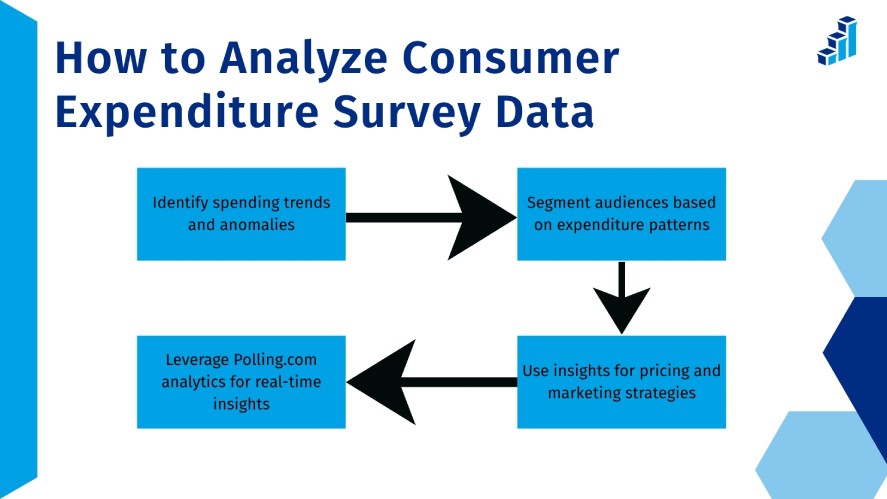
Start by identifying spending trends and anomalies.
Look for patterns in how respondents allocate their income across categories such as housing, food, and entertainment.
At the same time, pay attention to unusual spikes or drops in consumption spending. These may indicate emerging behaviors or external influences like economic changes.
Next, segment your audience based on expenditure patterns.
Group respondents by income level, demographics, or spending behavior to uncover differences between segments.
For example, one group may prioritize essential expenses, while another spends more on discretionary items.
This level of segmentation provides deeper insights into customer needs and preferences.
In addition, use your findings to inform pricing and marketing strategies.
Understanding how sensitive customers are to price changes or which categories they prioritize can help you adjust pricing models, create targeted promotions, and improve product positioning.
Finally, leverage feedback tools like Polling.com to gain real-time insights.
With built-in analytics and visualization features, you can monitor survey responses as they come in, quickly identify trends, and make data-driven decisions without manual analysis.
Conclusion
A well-designed consumer expenditure survey is a powerful tool for understanding how people spend and manage their money.
By asking the right survey questions and structuring surveys effectively, businesses can uncover valuable insights into consumer expenditure and consumption behavior.
These insights enable more informed, data-driven decisions. In a competitive market, understanding spending patterns is key to staying ahead.
To simplify the process, platforms like Polling.com make it easy to create smarter, more effective surveys. Use Polling.com to create smarter, more effective surveys.