
Food Survey Questions to Ask for Better Customer Feedback

Food survey strategies play a key role in understanding what your customers really think. Have you ever wondered why some restaurants keep growing while others struggle to keep customers coming back? The answer often comes down to how well they listen.
A well-designed food survey questionnaire helps you collect clear and useful feedback. Instead of guessing what customers want, you get direct answers. This is important for restaurants, food startups, and even teams working on examples of market research.
Today, many businesses rely on customer feedback tools to collect and study responses. Platforms like Polling.com make this process simple and fast. With real time customer feedback, you can quickly spot what works and what needs improvement.
In the long run, using food surveys gives you strong business insights. These insights help you improve your service, adjust your menu, and grow your business. More importantly, they guide you on how to succeed in business by making decisions based on real data.
What Is a Food Survey and Why It Matters
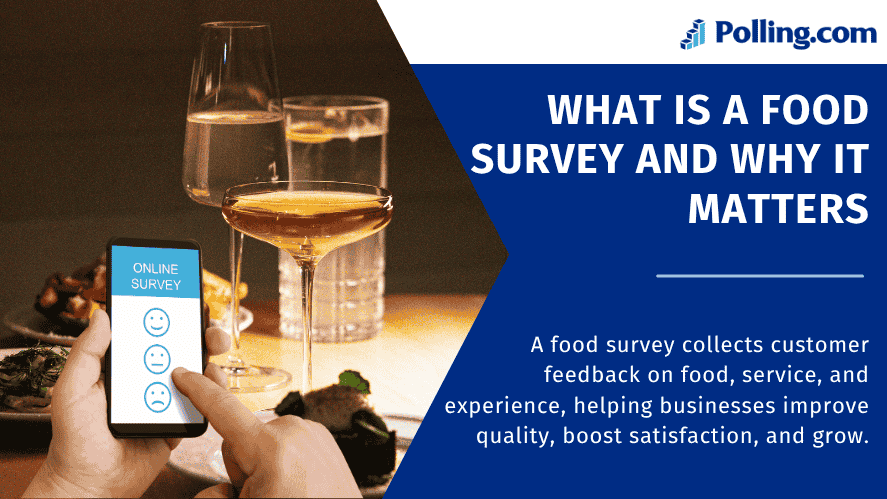
A food survey is a type of customer survey that collects opinions about food, service, and overall experience. It is a simple yet powerful way to understand your audience.
Businesses use food surveys in several ways. First, they help restaurants gather feedback after a meal. Second, they support product development through a product feedback survey. Third, they track satisfaction over time using customer satisfaction surveys.
Because of this, food surveys are not just about asking questions. They are about learning what your customers truly value.
Key Benefits
There are several reasons why a food survey matters.
- You can improve menu offerings based on real feedback
- You better understand customer preferences
- You increase customer loyalty
- You gain strategic insight for smarter decisions
For example, a fast food restaurant survey often focuses on speed and accuracy. On the other hand, a fine dining survey may focus more on quality and experience. In both cases, the goal is the same. You want to learn and improve.
When combined with market research tools and marketing survey tools, these surveys become even more powerful. They help you move from guessing to knowing.
Types of Food Survey Questions You Should Include
Not all questions are useful. To get meaningful answers, you need to include the right mix. A strong food survey template should cover different areas of the customer experience.
Let’s break this down step by step.
Customer Satisfaction Food Survey Questions
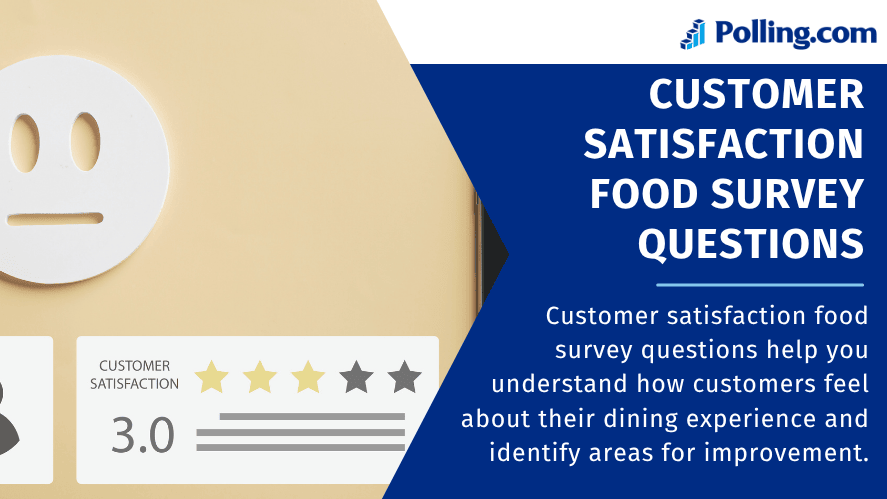
To begin with, every survey should measure overall satisfaction. This serves as the starting point for any customer satisfaction survey.
Here are some examples:
- How pleased were you with your overall dining experience?
- How would you evaluate the overall quality of the food?
- Was your order delivered accurately?
These are effective survey questions because they are simple and easy for customers to respond to. At the same time, they give you a quick overview of performance.
Food Quality and Taste Questions
Next, you need to focus on the food itself. At the end of the day, this sits at the heart of your business.
You can ask:
- How would you rate the taste of the food?
- Was the food fresh and well prepared?
- Did the portion size meet your expectations?
Each good survey question in this section should be simple. Avoid complex wording. This follows basic survey best practices and improves response rates.
Menu and Variety Questions
In addition, understanding menu preferences is important. Customers often want variety and new options.
Consider asking:
- Do you find enough variety on the menu?
- What new dishes would you like to see?
- Are there dietary options you prefer, such as vegan or gluten free?
These questions give you strategic insight into trends. Over time, this helps you stay competitive.
Pricing and Value Questions
Pricing is another key factor. Even if your food is great, customers may not return if they feel it is overpriced.
You can ask:
- Do you think the food is reasonably priced?
- How would you rate the value for money?
- Would you consider paying more for better quality?
These answers can guide pricing decisions. More importantly, they support your efforts to grow your business.
Service and Delivery Questions
Now let’s look at service. This includes both in-store and delivery experiences.
Ask questions like:
- How would you rate the speed of service?
- Was the staff friendly and helpful?
- Was your delivery on time?
A fast food restaurant survey often focuses heavily on this section. Speed and accuracy are critical in that space.
Open-Ended Food Survey Questions

Finally, include open-ended questions. These allow customers to share thoughts in their own words.
Examples include:
- What did you like most about your experience?
- What can we improve?
- Any additional comments or suggestions?
Although these take more time to analyze, they provide deeper insights. In many cases, they reveal issues you did not expect.
Best Practices for Creating Effective Food Surveys
Now that you know what to ask, let’s talk about how to ask it. Knowing how to write good survey questions makes a big difference.
Keep Questions Clear and Simple
First, always keep your questions short and easy to understand. A good survey question should not confuse the reader.
Avoid leading or biased wording. This ensures honest answers.
Use a Mix of Question Types
Next, combine different formats. For example:
This keeps the survey engaging. It also improves the quality of your data.
Optimize for Mobile Users

Most people answer surveys on their phones. Because of this, your survey templates should be mobile friendly.
Short questions and simple layouts work best.
Time Your Survey Correctly
Timing also matters. Send your survey right after a meal or delivery. This way, you capture real time customer feedback while the experience is still fresh.
Use the Right Survey Tool
Finally, choose the right platform. Polling.com is a strong option among the best market research tools.

It offers:
- Easy setup
- Custom survey templates
- Real-time analytics
- Flexible design options
Compared to other feedback tools like SurveyMonkey or Google Forms, it focuses more on actionable insights. This makes it a powerful customer feedback management tool.
Sample Food Survey Template (Ready to Use)
Now that you understand the types of questions and best practices, it is time to put everything together. A clear and structured food survey template helps you collect better data and improves response rates.
Below is a simple and effective survey template you can start using right away.
Section 1: Rating Scale Questions
Start with quick rating questions. These are easy to answer and give you measurable data.
- How would you rate your overall experience? (1 to 5)
- How would you rate the overall standard of the food? (1 to 5)
- How would you rate the service? (1 to 5)
- How satisfied are you with the value you received for the price? (1 to 5)
These questions are commonly used in customer satisfaction surveys because they provide clear benchmarks.
Section 2: Multiple Choice Questions
Next, include multiple choice questions. These help you understand behavior and preferences.
- How did you hear about us?
- Social media
- Friends or family
- Online search
- Advertisement
- What type of service did you use?
- Dine-in
- Takeout
- Delivery
- How often do you order from us?
- First time
- Occasionally
- Regularly
This section adds depth to your customer feedback survey and supports better segmentation.
Section 3: Open-Ended Questions
Finally, allow customers to share their thoughts freely.
- What did you enjoy most about your experience?
- What can we improve?
- Do you have any suggestions for new menu items?
These responses are valuable because they often reveal hidden issues or new ideas. Many product feedback tools rely heavily on this type of input.
Call to action: You can easily turn this into a customer survey template using Polling.com. Its flexible survey templates allow you to customize questions and start collecting feedback in minutes.
Common Mistakes to Avoid in Food Surveys
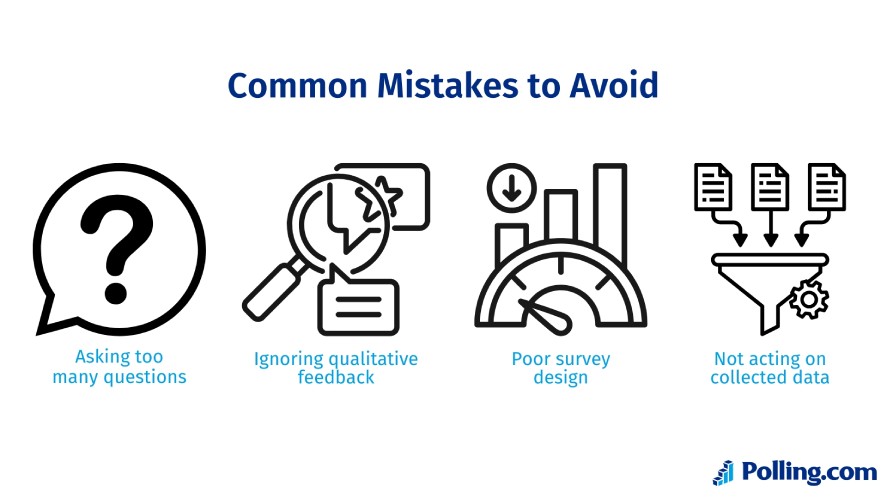
Even a well-designed survey can fail if certain mistakes are made. Therefore, it is important to be aware of common issues and avoid them.
Asking Too Many Questions
First, avoid making your survey too long. When surveys take too much time, people are less likely to complete them.
A shorter survey often leads to better response rates and more accurate data.
Ignoring Customer Feedback
Feedback only becomes valuable when you take action on it. If customers feel ignored, they may stop responding in the future.
Instead, use feedback tools to track and respond to common concerns.
Not Analyzing Results Properly
Another common mistake is collecting data but not analyzing it. Without proper analysis, you miss valuable business insights.
Using market research tools can help you organize and understand your data more effectively.
Using Biased or Leading Questions
Finally, avoid questions that push customers toward a specific answer. This reduces the quality of your data.
Following survey best practices ensures your results are accurate and trustworthy.
How to Analyze Food Survey Results
Once you collect responses, the next step is analysis. This is where your data turns into action.
Identify Trends and Patterns
Start by looking for repeated themes. For example, if many customers mention slow service, this is a clear area for improvement.
Customer satisfaction survey data is especially useful for spotting trends over time.
Segment Customer Feedback
Next, break your data into groups. You can segment by:
- Order type
- Customer frequency
- Demographics
This gives you deeper strategic insight and helps you tailor your approach.
Use Dashboards and Tools
Modern customer feedback management tools make analysis easier. Polling.com, for example, offers dashboards that show results in real time.
Compared to many product feedback tools, it focuses on simplicity and clarity. This allows you to quickly understand what your customers are saying.
Turn Insights into Action
The most important step is taking action. Use your findings to:
- Improve menu items
- Train staff
- Adjust pricing
- Enhance customer experience
This is how you turn feedback into real growth. It also shows how to succeed in business by using data instead of assumptions.
Frequently Asked Questions
A food survey is a type of customer survey used to gather feedback about food quality, service, and customer experience.
To write a good survey question, keep it clear, simple, and unbiased. Follow survey best practices and avoid confusing wording.
A food survey template should include rating questions, multiple choice questions, and open-ended questions to collect detailed feedback.
Customer satisfaction surveys help businesses understand customer needs, improve services, and increase retention.
Conclusion
A well-planned food survey can make a big difference in how you understand your customers. It helps you ask the right question survey about food, collect useful data, and make smarter decisions.
By using a strong food survey questionnaire, you can improve food quality, service, and overall experience. In addition, combining your efforts with customer feedback tools and market research tools gives you a complete view of your business.
Keep in mind, the aim is not only to gather responses. The goal is to learn, improve, and grow your business. When used correctly, food surveys provide the business insights you need to stay ahead.
Now is a good time to take action. Build your survey template, start collecting real time customer feedback, and use those insights to create better experiences for your customers.